
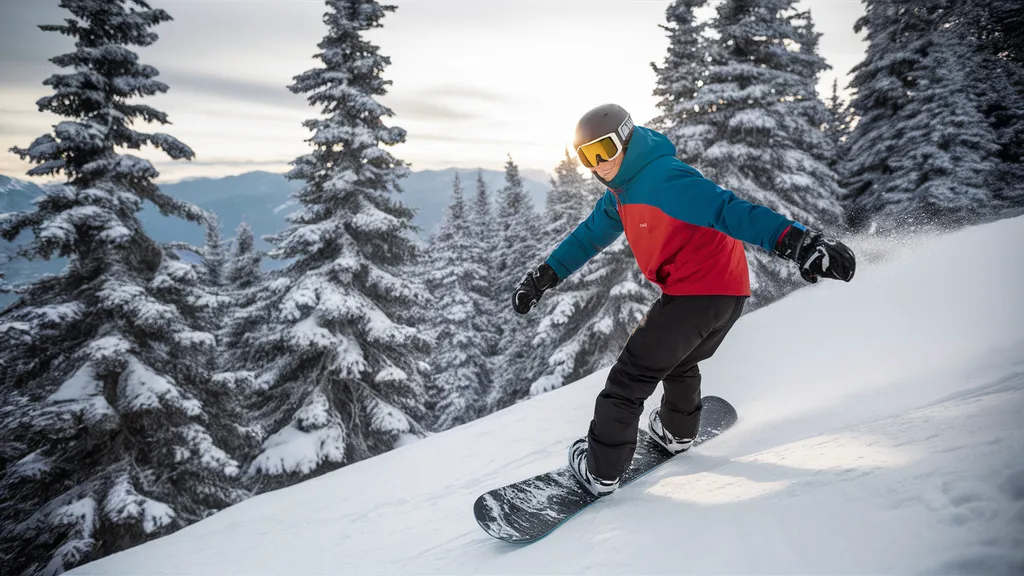

Snowboarding is one of the most exciting and rewarding winter sports in the world. Combining speed, balance, technique, and adventure, snowboarding offers a unique experience that attracts millions of enthusiasts every year. Whether you dream of gliding down mountain slopes, exploring snow-covered terrain, or simply learning a new outdoor activity, snowboarding provides a thrilling way to enjoy winter while developing physical fitness and confidence.
For beginners, snowboarding can seem intimidating at first. Standing sideways on a board, maintaining balance, and controlling movement on snow may appear difficult, especially when watching experienced riders perform advanced tricks and maneuvers. However, every skilled snowboarder started as a beginner. With the right equipment, proper instruction, patience, and consistent practice, anyone can learn the fundamentals of snowboarding and gradually build the skills needed to ride confidently. This comprehensive guide explains everything you need to know about how to snowboard, from selecting equipment and learning basic techniques to improving your performance and staying safe on the slopes.
What Is Snowboarding?
Snowboarding is a winter sport that involves riding a snowboard down snow-covered slopes while standing sideways with both feet attached to a single board. Unlike skiing, where each foot is attached to a separate ski, snowboarding requires riders to control movement, direction, and speed using body positioning, balance, and edge control.
The sport has evolved significantly over the years and now includes various disciplines such as freestyle, freeride, alpine racing, and backcountry snowboarding. While advanced styles involve jumps, tricks, and challenging terrain, beginners should focus on mastering the basic skills that form the foundation of successful snowboarding.
Choosing the Right Snowboarding Equipment
One of the most important steps in learning how to snowboard is selecting the appropriate equipment. A properly fitted snowboard, boots, and bindings can significantly improve comfort, safety, and performance. Beginners should choose a snowboard that matches their height, weight, and skill level. Softer boards are generally recommended because they are more forgiving and easier to control.
Snowboard boots should fit snugly without causing discomfort. Properly fitted boots provide support and help transfer movements effectively to the board. Bindings should securely connect the boots to the snowboard while allowing flexibility and control. In addition to these essentials, beginners should wear a helmet, goggles, waterproof clothing, gloves, and protective padding to enhance safety and comfort during lessons and practice sessions.
Understanding Your Stance
Before stepping onto a snowboard, it is essential to determine your riding stance. Most riders fall into one of two categories: regular stance or goofy stance. Regular riders place their left foot forward, while goofy riders place their right foot forward. Determining your natural stance helps improve balance and board control.
A simple way to identify your stance is to imagine sliding across a slippery surface. The foot you instinctively place forward is often your lead foot. Once your stance is established, your bindings can be adjusted accordingly to create a comfortable riding position.
Learning Balance and Body Positioning
Balance is one of the most important skills in snowboarding. Unlike many other sports, snowboarding requires maintaining stability while standing sideways and moving across changing terrain. Beginners should start by practicing on flat snow before attempting slopes.
A proper snowboarding stance involves bending the knees slightly, keeping the back straight, and maintaining relaxed shoulders. Weight should be centered over the board rather than leaning too far forward or backward. This balanced position allows riders to react quickly to changes in terrain and maintain better control.
Learning to balance effectively takes time, but consistent practice helps develop muscle memory and confidence. As balance improves, riders find it easier to maneuver and maintain stability while moving downhill.
Mastering the Basics of Sliding
After becoming comfortable standing on the board, beginners should learn how to slide in a controlled manner. The first step is practicing one-foot skating, which involves keeping one foot attached to the board while using the other foot to push across flat areas. This skill is essential for navigating lift lines and beginner terrain.
Once comfortable with skating, riders can practice straight-line gliding on gentle slopes. This exercise helps develop familiarity with the board’s movement and improves overall confidence. Beginners should focus on maintaining a balanced posture and controlling speed rather than attempting turns immediately.
Learning Heel Edge and Toe Edge Control
Edge control is a fundamental aspect of snowboarding. The snowboard has two primary edges: the heel edge and the toe edge. Riders use these edges to control direction, speed, and stopping.
Practicing heel edge control involves leaning slightly backward while applying pressure through the heels. Toe edge control requires leaning forward and applying pressure through the toes. Learning to alternate between these edges allows riders to maintain control and perform smooth turns. Developing strong edge control is essential for progressing beyond beginner-level riding.
How to Turn on a Snowboard
Turning is one of the most important skills in snowboarding because it enables riders to navigate slopes safely and efficiently. Turns are performed by shifting weight and transitioning between the heel and toe edges.
Beginners often start with falling leaf exercises, which involve sliding diagonally across the slope while controlling speed using edge pressure. As confidence grows, riders can link turns together to create a smooth and continuous riding pattern. Consistent practice helps develop coordination and improves the ability to control movement on steeper terrain.
Common Beginner Mistakes
Many beginners experience frustration due to common mistakes that slow progress. One frequent error is leaning backward excessively, which reduces control and increases the likelihood of falling. Another mistake is keeping the body stiff instead of relaxed and flexible.
Looking down at the snowboard rather than focusing ahead can also affect balance and reaction time. Additionally, attempting difficult slopes too early may lead to unnecessary falls and injuries. Understanding these common mistakes helps beginners avoid bad habits and improve more efficiently.
Safety Tips for Snowboarding
Safety should always be a priority when learning how to snowboard. Wearing a helmet significantly reduces the risk of head injuries and is strongly recommended for riders of all skill levels. Protective gear such as wrist guards and padded shorts can provide additional protection during falls.
Beginners should take lessons from qualified instructors whenever possible. Professional instruction helps establish proper techniques and reduces the risk of injury. It is also important to follow slope rules, remain aware of other riders, and avoid terrain that exceeds your current ability level.
Improving Your Snowboarding Skills
Once the basics have been mastered, continued improvement requires regular practice and dedication. Riders can improve by working on balance, refining turns, increasing confidence on varied terrain, and gradually learning more advanced techniques.
Watching experienced snowboarders, receiving coaching, and practicing consistently all contribute to skill development. As confidence grows, riders can explore different styles of snowboarding and challenge themselves with new terrain features and conditions.
Benefits of Snowboarding
Snowboarding offers numerous physical and mental benefits. It improves balance, coordination, flexibility, and cardiovascular fitness while providing a full-body workout. The sport also encourages outdoor activity and allows participants to enjoy nature in a unique way.
Beyond physical fitness, snowboarding promotes confidence, resilience, and stress relief. Learning new skills and overcoming challenges creates a sense of accomplishment that can positively impact other areas of life. For many people, snowboarding becomes more than a sport—it becomes a lifelong passion.
Conclusion
Learning how to snowboard is an exciting journey that combines adventure, athleticism, and personal growth. Although the sport may seem challenging at first, mastering the fundamentals of balance, edge control, turning, and safety creates a strong foundation for success. Every experienced snowboarder started with the same beginner steps, and progress comes through patience, practice, and persistence.
By choosing the right equipment, understanding proper techniques, and committing to consistent improvement, anyone can learn to snowboard and enjoy the incredible experiences that come with riding on snow-covered mountains. Whether your goal is recreational fun or advanced performance, snowboarding offers endless opportunities for excitement, exploration, and achievement.
Frequently Asked Questions (FAQ)
Is snowboarding difficult for beginners?
Snowboarding can be challenging initially, but most beginners can learn the basics with proper instruction and consistent practice.
How long does it take to learn how to snowboard?
Many people learn basic snowboarding skills within a few days, while becoming highly skilled may take months or years of practice.
What equipment do I need for snowboarding?
Essential equipment includes a snowboard, boots, bindings, helmet, goggles, gloves, and waterproof winter clothing.
Is snowboarding harder than skiing?
This varies by individual. Many beginners find skiing easier initially, while others adapt quickly to snowboarding and prefer its riding style.
Should beginners take snowboarding lessons?
Yes. Professional lessons can significantly improve learning speed, technique, and safety.
What is the best age to learn snowboarding?
People of almost any age can learn snowboarding, provided they are physically capable and willing to practice.
How can I improve my snowboarding skills faster?
Practice regularly, focus on proper technique, take lessons, and gradually challenge yourself with new terrain and conditions.
Is snowboarding good exercise?
Yes. Snowboarding improves balance, coordination, strength, endurance, and overall fitness while providing an enjoyable outdoor activity.