
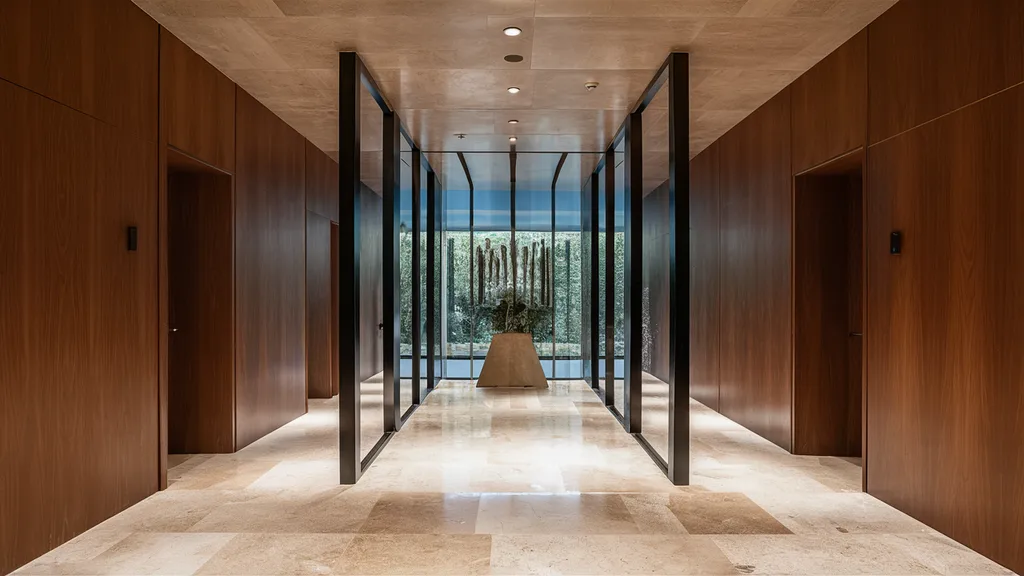

A vestibule is one of the most overlooked yet highly functional architectural elements found in homes, offices, commercial buildings, hotels, schools, and public facilities. Although many people pass through vestibules every day, they may not fully understand their purpose or significance. A vestibule serves as a small entrance area or transitional space between the exterior and interior of a building. This seemingly simple space plays a crucial role in improving comfort, energy efficiency, security, and aesthetics.
Throughout history, vestibules have been incorporated into architectural designs for both practical and decorative purposes. Ancient civilizations used entrance chambers to create impressive transitions between public and private spaces, while modern architects continue to use vestibules to enhance functionality and visual appeal. Whether in a residential property or a large commercial building, a well-designed vestibule can significantly improve the user experience while contributing to the overall performance of the structure. Understanding the meaning, history, and advantages of vestibules provides valuable insight into one of architecture’s most useful design features.
What Is a Vestibule?
A vestibule is a small enclosed area located immediately inside the main entrance of a building. It acts as a buffer zone between the outdoors and the main interior space. In many cases, a vestibule includes an outer door leading from outside and an inner door that opens into the building. This arrangement creates a transitional space that helps regulate temperature, reduce noise, and improve traffic flow.
The concept of the vestibule is simple yet highly effective. By creating a separate entrance chamber, architects can minimize direct exposure to outdoor weather conditions. During winter, a vestibule helps prevent cold air from rushing into the building whenever the entrance door is opened. In summer, it helps retain cooled indoor air and reduce the workload on air conditioning systems. This practical function has made vestibules a common feature in both residential and commercial architecture.
The History of Vestibules
The use of vestibules dates back thousands of years. Ancient Roman architecture often included vestibules as transitional spaces between public streets and private residences. These entrance chambers served both functional and symbolic purposes, creating a sense of separation between the outside world and the interior environment.
As architectural styles evolved, vestibules became common in churches, government buildings, palaces, and large estates. During the Renaissance and Victorian eras, vestibules were frequently designed with elaborate decorative features, including ornate doors, marble flooring, decorative moldings, and impressive lighting fixtures. These spaces not only served practical functions but also created a memorable first impression for visitors.
Today, vestibules remain an essential architectural feature. While modern designs often emphasize simplicity and efficiency, the fundamental purpose of the vestibule has remained unchanged: to create a smooth and functional transition between exterior and interior environments.
Key Functions of a Vestibule
One of the primary functions of a vestibule is climate control. By acting as an intermediate space, the vestibule reduces heat loss during cold weather and helps maintain comfortable indoor temperatures. This benefit is particularly important in regions with extreme weather conditions where energy conservation is a priority.
Another important function is noise reduction. Buildings located in busy urban areas often use vestibules to minimize the amount of traffic noise entering interior spaces. The additional doors and enclosed structure create a barrier that improves acoustic comfort for occupants.
Vestibules also enhance security. By creating a controlled entry point, they allow building managers and homeowners to better monitor access. In commercial buildings, vestibules may include security systems, surveillance cameras, or access-control mechanisms that help protect occupants and property.
In addition, vestibules improve cleanliness by providing a space where dirt, moisture, and debris can be contained before reaching the main interior areas. This contributes to better maintenance and longer-lasting flooring and furnishings.
Vestibules in Residential Architecture
In homes, vestibules provide a welcoming entrance while improving functionality. Homeowners often use vestibules as practical spaces for storing coats, umbrellas, shoes, and other outdoor items. This helps reduce clutter in the main living areas and creates a more organized environment.
Modern residential vestibules often incorporate attractive design elements such as decorative lighting, seating benches, mirrors, storage cabinets, and artwork. These features transform the vestibule into a stylish introduction to the home’s interior. A thoughtfully designed vestibule can enhance curb appeal, improve first impressions, and increase overall property value.
Additionally, vestibules contribute to energy efficiency by reducing drafts and helping maintain stable indoor temperatures. This can result in lower heating and cooling costs over time, making the vestibule both a practical and financially beneficial feature.
Vestibules in Commercial Buildings
Commercial buildings rely heavily on vestibules to improve customer comfort and operational efficiency. Shopping centers, hotels, hospitals, office buildings, and educational institutions frequently incorporate vestibules into their entrance designs. In high-traffic environments, vestibules help manage the flow of people while minimizing disruptions caused by weather conditions.
Businesses benefit from vestibules because they create a more comfortable environment for employees and visitors. By reducing air infiltration, vestibules help maintain consistent indoor temperatures and lower energy consumption. Many modern commercial vestibules also include automatic doors, accessibility features, and security enhancements that improve convenience and safety.
The use of vestibules in commercial architecture demonstrates how a relatively small design element can have a significant impact on building performance and user satisfaction.
Vestibule vs Foyer: Understanding the Difference
Many people confuse vestibules with foyers because both are located near building entrances. However, they serve different purposes. A vestibule is primarily a transitional space between the exterior and interior of a building, often enclosed by multiple doors. Its main function is practical, focusing on climate control, security, and traffic management.
A foyer, on the other hand, is typically a larger and more decorative entrance hall located inside the building. Foyers are designed to welcome guests and provide access to other rooms. While a vestibule may lead into a foyer, the two spaces are distinct architectural features with different roles.
Understanding this distinction is important when planning residential or commercial building designs, as each space contributes uniquely to functionality and aesthetics.
Modern Vestibule Design Trends
Contemporary vestibule designs emphasize simplicity, sustainability, and efficiency. Architects increasingly incorporate glass walls, natural lighting, energy-efficient materials, and minimalist aesthetics to create inviting and functional entrance spaces. Smart technology is also becoming more common, with automated doors, security systems, and climate-control features integrated into vestibule designs.
Sustainability remains a major focus in modern architecture, and vestibules contribute significantly to energy conservation efforts. By reducing heat transfer and improving indoor climate stability, vestibules support environmentally responsible building practices while lowering operational costs.
As architectural innovation continues to evolve, vestibules are likely to remain an essential component of both residential and commercial design strategies.
Conclusion
A vestibule is far more than a simple entrance area. It serves as a vital architectural feature that improves energy efficiency, enhances comfort, reduces noise, increases security, and creates a positive first impression. From ancient Roman structures to modern commercial buildings, vestibules have played an important role in shaping functional and attractive environments.
Whether incorporated into a private residence or a large public facility, a well-designed vestibule provides practical benefits that extend beyond aesthetics. As sustainability and user experience continue to influence architectural trends, vestibules will remain a valuable element in creating efficient, comfortable, and welcoming spaces for people around the world.
Frequently Asked Questions (FAQ)
What is a vestibule?
A vestibule is a small entrance space located between the exterior and interior of a building, designed to provide a transition area.
What is the purpose of a vestibule?
Its primary purpose is to improve climate control, reduce noise, enhance security, and create a welcoming entrance.
Is a vestibule the same as a foyer?
No. A vestibule is typically a transitional entrance chamber, while a foyer is a larger interior entrance hall used for welcoming guests.
Why are vestibules important in commercial buildings?
They help regulate temperature, improve energy efficiency, manage traffic flow, and enhance customer comfort.
Can a vestibule increase energy efficiency?
Yes. Vestibules reduce heat loss and air infiltration, helping buildings maintain stable indoor temperatures and lower energy costs.
What features are commonly found in modern vestibules?
Modern vestibules may include automatic doors, glass walls, smart security systems, storage solutions, decorative lighting, and energy-efficient materials.
Are vestibules still used in modern architecture?
Absolutely. Vestibules remain widely used in residential, commercial, and institutional buildings because of their practical and aesthetic benefits.