
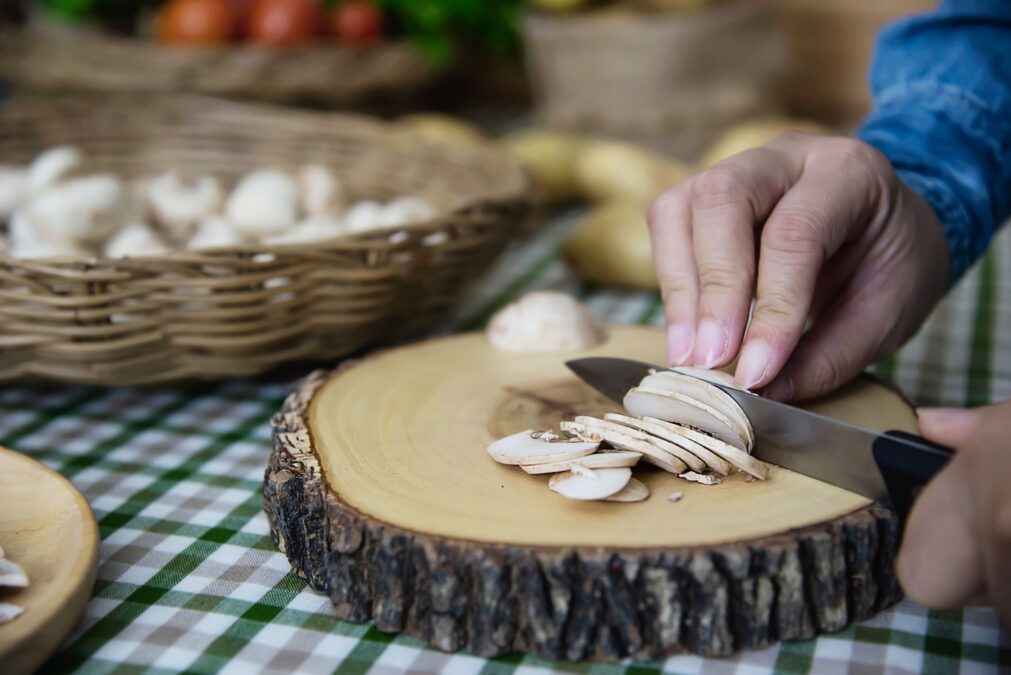

p ostreatus oyster mushroom, commonly known as the oyster mushroom, is one of the most popular edible mushrooms in the world. Recognized for its delicate texture, mild flavor, and impressive nutritional profile, this mushroom has become widely used in culinary dishes, commercial farming, and health-focused diets. Oyster mushrooms are appreciated not only for their taste but also for their potential health benefits and sustainable cultivation process. As interest in natural foods and plant-based nutrition continues to rise, Pleurotus ostreatus has gained significant attention among chefs, nutritionists, gardeners, and health-conscious consumers.
What is Pleurotus Ostreatus?
Pleurotus ostreatus is a species of edible mushroom belonging to the Pleurotaceae family. It is commonly called the oyster mushroom because of its shell-like appearance and soft texture. These mushrooms naturally grow on decaying wood and fallen trees in forests around the world, although they are now widely cultivated commercially. Oyster mushrooms come in several colors, including white, gray, pink, and yellow, depending on the variety and growing conditions.
Nutritional Value of Oyster Mushrooms
One of the biggest reasons for the popularity of Pleurotus ostreatus is its excellent nutritional value. Oyster mushrooms are low in calories and fat while being rich in protein, dietary fiber, vitamins, and minerals. They contain important nutrients such as B vitamins, potassium, iron, phosphorus, and antioxidants. Because of their nutritional profile, oyster mushrooms are commonly included in vegetarian and vegan diets as a healthy meat alternative. Their high fiber content also supports digestive health and balanced nutrition.
Health Benefits of Pleurotus Ostreatus
The potential health benefits of Pleurotus ostreatus have been widely discussed in nutrition and wellness communities. These mushrooms contain antioxidants and bioactive compounds that may help support overall health. Some studies suggest that oyster mushrooms can contribute to heart health, immune system support, and cholesterol management when included as part of a balanced diet. Additionally, their nutrient density makes them a valuable food choice for people seeking natural and wholesome ingredients.

Culinary Uses of Oyster Mushrooms
Pleurotus ostreatus is highly valued in cooking because of its mild flavor and versatile texture. Oyster mushrooms can be sautéed, grilled, roasted, stir-fried, or added to soups and pasta dishes. Their soft yet slightly chewy texture makes them an excellent ingredient in vegetarian recipes where they are often used as a substitute for meat. Chefs appreciate oyster mushrooms for their ability to absorb flavors while maintaining their delicate taste.
How to Grow P. Ostreatus Oyster Mushrooms
Growing Pleurotus ostreatus has become increasingly popular among home gardeners and commercial farmers because of its relatively simple cultivation process. Oyster mushrooms can grow on substrates such as straw, sawdust, coffee grounds, and agricultural waste materials. They require a humid environment, moderate temperatures, and limited direct sunlight. Under the right conditions, oyster mushrooms grow quickly and can produce multiple harvests from a single substrate batch.
Environmental Importance of Oyster Mushrooms
Another fascinating aspect of Pleurotus ostreatus is its environmental value. Oyster mushrooms play an important role in nature by breaking down organic matter and recycling nutrients back into ecosystems. They are also used in sustainable agriculture and experimental environmental cleanup projects because of their ability to decompose certain pollutants. This makes them not only a nutritious food source but also an environmentally beneficial organism.
Why Oyster Mushrooms Are Becoming More Popular
The growing popularity of Pleurotus ostreatus can be linked to increased awareness about healthy eating, plant-based diets, and sustainable food production. Consumers are searching for foods that are nutritious, eco-friendly, and versatile in cooking, and oyster mushrooms fit these trends perfectly. Their affordability and ease of cultivation also make them attractive for both personal and commercial use.
Conclusion
p ostreatus oyster mushroom is much more than just an edible mushroom. It is a highly nutritious, versatile, and environmentally valuable food source that continues to gain global popularity. From its health benefits and culinary uses to its sustainable cultivation methods, the oyster mushroom offers advantages for consumers, farmers, and the environment alike. As interest in natural foods and sustainable living grows, Pleurotus ostreatus will likely remain one of the most important and widely appreciated mushroom species in the world.
Frequently Asked Questions (FAQ)
1. What is Pleurotus ostreatus?
Pleurotus ostreatus is an edible mushroom species commonly known as the oyster mushroom.
2. Are oyster mushrooms healthy?
Yes, they are rich in nutrients, fiber, vitamins, and antioxidants.
3. Can oyster mushrooms be grown at home?
Yes, they are relatively easy to cultivate using straw or sawdust substrates.
4. What do oyster mushrooms taste like?
They have a mild, savory flavor with a soft texture.
5. Why are oyster mushrooms popular?
They are nutritious, versatile in cooking, and environmentally sustainable.