
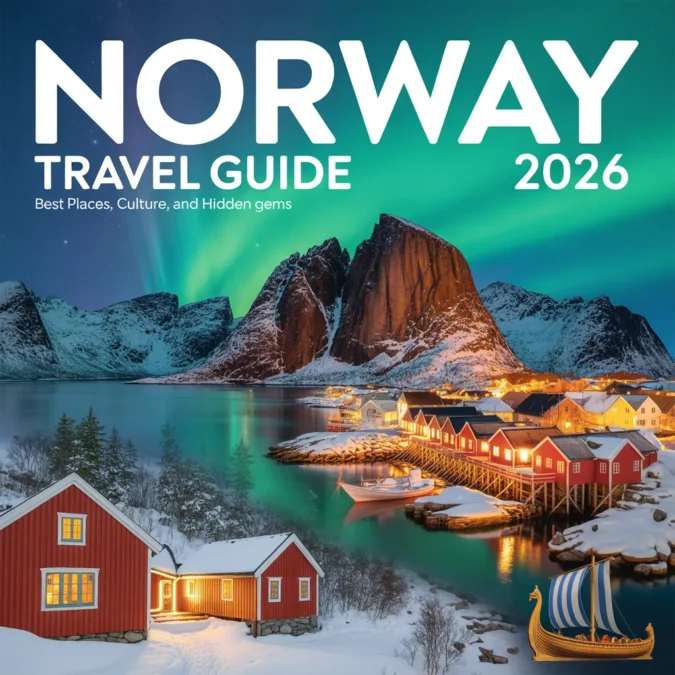

Norway is widely regarded as one of the most stunning and well-developed countries in the world, attracting millions of visitors each year due to its breathtaking landscapes, rich cultural heritage, and high quality of life. Located in Northern Europe, Norway is famous for its dramatic fjords, snow-capped mountains, vibrant cities, and deep-rooted traditions that date back to the Viking era. Whether you are planning a vacation, considering relocation, or simply curious about this Nordic nation, understanding Norway in depth will help you appreciate its global significance. In this comprehensive guide, we will explore Norway’s natural beauty, culture, lifestyle, and must-visit destinations, providing valuable insights for travelers and readers alike.
Geography and Natural Beauty of Norway
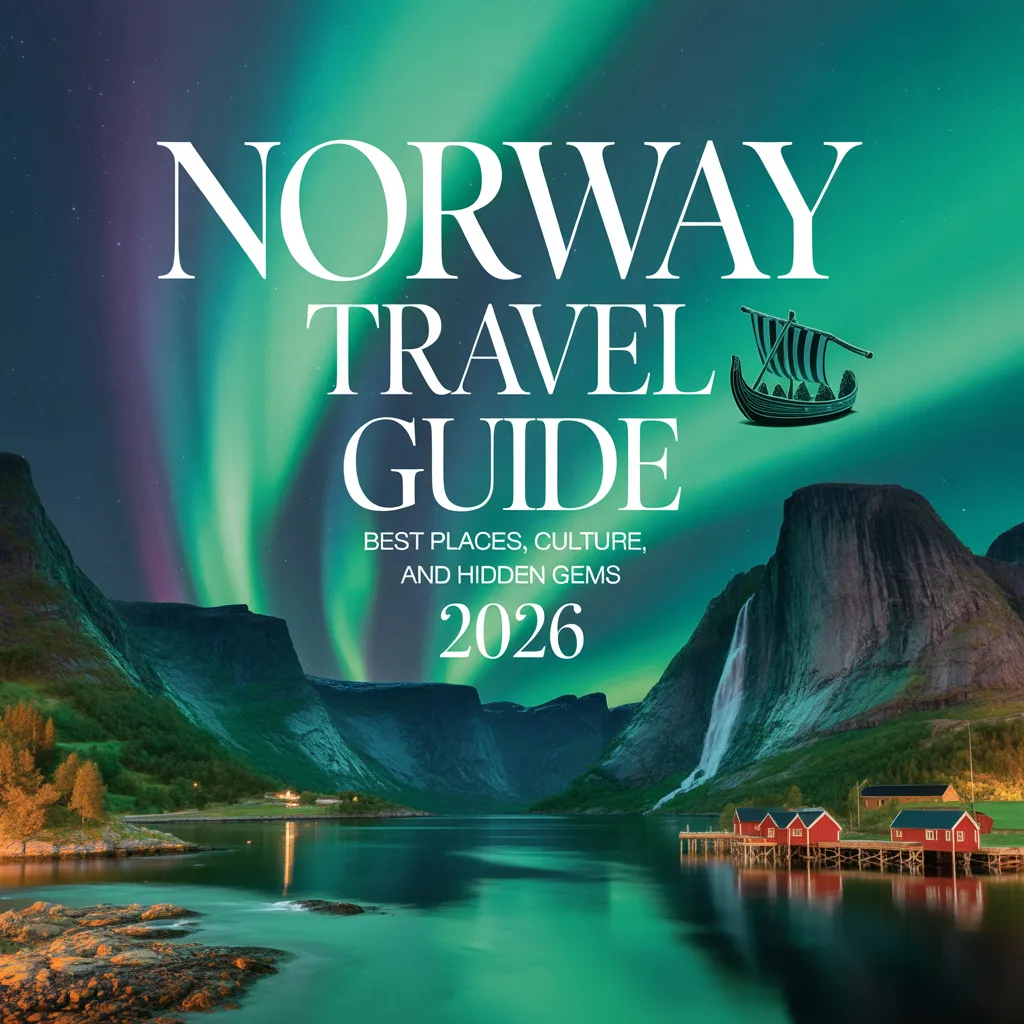
One of the most defining features of Norway is its extraordinary natural landscape, which sets it apart from many other countries. The country is home to world-famous fjords such as Geirangerfjord and Nærøyfjord, both recognized for their dramatic cliffs and serene waters. These fjords were carved by glaciers thousands of years ago, creating breathtaking scenery that attracts photographers and nature lovers from around the globe. In addition to fjords, Norway boasts vast forests, majestic mountains, and the mesmerizing Northern Lights, which can be seen in regions like Tromsø during winter. This unique combination of natural elements makes Norway a paradise for outdoor enthusiasts, offering activities such as hiking, skiing, and wildlife exploration.
Culture and History of Norway
The culture of Norway is deeply rooted in its history, particularly the era of the Vikings, who were known for their exploration, trade, and seafaring skills. Today, Norway preserves its heritage through museums, festivals, and traditional practices that reflect its past. Cities like Oslo showcase a blend of modern architecture and historical landmarks, including Viking ship museums and medieval sites. Norwegian culture also emphasizes equality, sustainability, and a strong connection to nature, which is evident in daily life. The concept of “friluftsliv,” meaning open-air living, plays a significant role in shaping the Norwegian lifestyle, encouraging people to spend time outdoors regardless of the season.
Top Places to Visit in Norway
When visiting Norway, there are several iconic destinations that should be on every traveler’s list. Bergen, known as the gateway to the fjords, offers colorful wooden houses and access to stunning natural landscapes. Stavanger is famous for its proximity to the iconic Preikestolen (Pulpit Rock), which provides breathtaking views over the Lysefjord. Meanwhile, Oslo offers a vibrant urban experience with world-class museums, parks, and cultural attractions. Each destination provides a unique perspective on Norway, allowing visitors to experience both its natural beauty and modern lifestyle.
Living in Norway: Quality of Life and Economy
Norway consistently ranks among the top countries in the world for quality of life, thanks to its strong economy, excellent healthcare system, and high standard of education. The country’s wealth is largely driven by its natural resources, particularly oil and gas, which have contributed to its economic stability. Additionally, Norway places a strong emphasis on social welfare, ensuring that citizens have access to essential services and opportunities. While the cost of living in Norway is relatively high compared to other countries, the benefits in terms of safety, work-life balance, and overall well-being make it an attractive destination for expatriates and professionals.
Modern Trends and Tourism in Norway
Tourism in Norway continues to grow as more people seek unique and sustainable travel experiences. The country has embraced eco-tourism, promoting responsible travel practices that protect its natural environment. Cruise tourism along the fjords, adventure tourism in the Arctic regions, and cultural tourism in historic cities are all contributing to Norway’s popularity as a global destination. Furthermore, Norway’s commitment to innovation and sustainability is evident in its use of electric vehicles and green energy, making it a leader in environmental conservation. These modern trends not only enhance the visitor experience but also ensure that Norway remains a top travel destination for years to come.
Conclusion
Norway stands as a remarkable example of how natural beauty, cultural heritage, and modern development can coexist harmoniously. From its awe-inspiring fjords and vibrant cities to its high quality of life and commitment to sustainability, Norway offers something for everyone. Whether you are planning to visit, study, or live in Norway, understanding its unique characteristics will help you make the most of your experience. As global interest in travel and lifestyle destinations continues to grow, Norway remains a shining example of excellence, attracting people from all corners of the world.
Frequently Asked Questions (FAQ)
1. Where is Norway located?
Norway is located in Northern Europe, part of the Scandinavian region, and shares borders with Sweden, Finland, and Russia.
2. What is Norway famous for?
Norway is famous for its fjords, Northern Lights, Viking history, and high quality of life.
3. Is Norway expensive to visit?
Yes, Norway is considered one of the more expensive travel destinations, but the experience and quality justify the cost.
4. What is the best time to visit Norway?
The best time depends on your interests—summer for hiking and fjords, and winter for Northern Lights and snow activities.
5. Can foreigners live and work in Norway?
Yes, foreigners can live and work in Norway, but they must meet visa and work permit requirements depending on their nationality.