
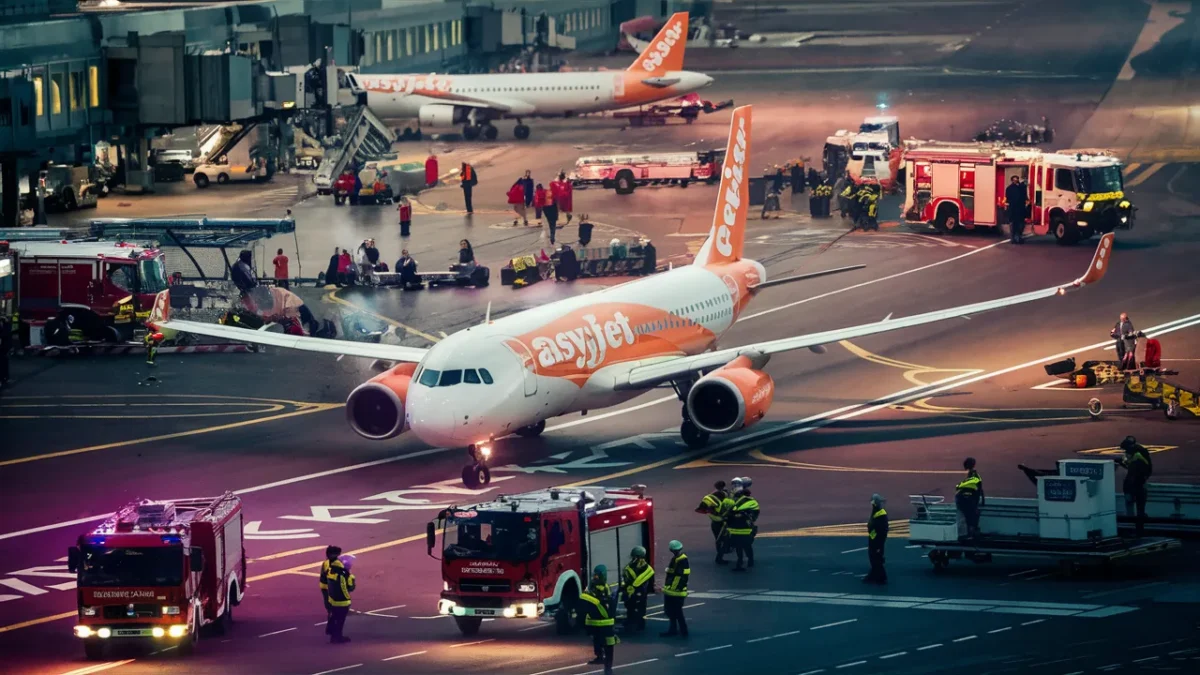

Air travel is widely regarded as one of the safest modes of transportation, yet occasional incidents remind passengers of the complexities involved in aviation. One such event that has recently drawn attention is the easyjet flight u2238 emergency landing newcastle. Incidents like this often raise questions about passenger safety, airline protocols, and the reasons behind such unexpected decisions. While emergency landings can sound alarming, they are usually precautionary measures taken to ensure the safety of everyone on board. In this article, we explore what is known about the situation, examine possible causes, and provide insights into how airlines like easyJet handle such scenarios with professionalism and strict adherence to safety standards.
Overview of the Incident
The reported emergency landing of easyJet flight U2238 at Newcastle International Airport quickly became a topic of discussion among travelers and aviation observers. Emergency landings occur when a pilot decides that continuing the flight could pose a potential risk, whether due to technical issues, medical emergencies, or environmental conditions. In such cases, the aircraft is diverted to the nearest suitable airport where it can land safely and receive necessary assistance.
In this instance, the aircraft was able to land safely in Newcastle, demonstrating the effectiveness of aviation safety protocols. Airports like Newcastle are fully equipped to handle such situations, with emergency services on standby to respond immediately if required.
Possible Reasons for the Emergency Landing
Although specific details may vary depending on official reports, emergency landings generally occur for a few common reasons. One of the most frequent causes is a technical issue detected during the flight. Modern aircraft are equipped with advanced monitoring systems that alert pilots to even minor irregularities, allowing them to take precautionary action before a situation escalates.
Another possible reason could be a medical emergency involving a passenger or crew member. In such cases, pilots prioritize reaching the nearest airport as quickly as possible to ensure that medical assistance can be provided without delay. Weather conditions and unexpected external factors may also contribute to the decision to divert a flight.
It is important to note that an emergency landing does not necessarily indicate a severe problem; in many cases, it is simply a precautionary measure taken in line with strict safety guidelines.
Passenger Experience and Onboard Response
For passengers, experiencing an emergency landing can be stressful, especially if they are unfamiliar with aviation procedures. However, airline crews are highly trained to manage such situations calmly and efficiently. Onboard announcements are typically made to inform passengers of the situation without causing unnecessary panic, and cabin crew members ensure that safety procedures are followed throughout the process.
Passengers on flights like easyJet U2238 are guided through the landing process, with clear instructions provided when needed. The professionalism of the crew plays a crucial role in maintaining order and ensuring that everyone remains safe. In most cases, passengers are able to disembark normally after the aircraft lands, with minimal disruption beyond delays.
Aviation Safety Measures and Protocols
The aviation industry operates under some of the strictest safety regulations in the world. Airlines such as easyJet follow comprehensive procedures designed to handle emergencies effectively. Pilots undergo extensive training to prepare for a wide range of scenarios, including technical malfunctions, medical emergencies, and adverse weather conditions.
Aircraft are also subject to regular maintenance and inspections to ensure that they meet safety standards. When an issue is detected during a flight, the decision to divert or perform an emergency landing is made with the utmost caution. This proactive approach is a key reason why air travel remains extremely safe despite occasional incidents.
Impact on Travel and Flight Operations
An emergency landing can lead to temporary disruptions in flight schedules, as aircraft may require inspection before continuing service. Passengers may experience delays or be rebooked on alternative flights, depending on the situation. Airlines typically provide assistance, including accommodations or compensation, in accordance with their policies and applicable regulations.
Airports like Newcastle are well-prepared to manage such disruptions, ensuring that operations continue smoothly while addressing the needs of affected passengers. The coordination between airline staff, airport authorities, and emergency services is essential in minimizing inconvenience and maintaining safety.
Public Reaction and Media Coverage
Incidents involving emergency landings often attract significant media attention, as they naturally raise concerns among travelers. However, it is important to approach such reports with a balanced perspective. While the term “emergency landing” may sound dramatic, it often reflects a precautionary decision rather than a dangerous situation.
Public interest in events like the easyJet flight U2238 emergency landing highlights the importance of transparency and accurate information in maintaining trust in the aviation industry. Clear communication from airlines and authorities helps reassure passengers and provides a better understanding of what actually occurred.
Conclusion
The emergency landing of easyjet flight u2238 emergency landing newcastle serves as a reminder of the robust safety measures in place within the aviation industry. While such incidents may initially cause concern, they are typically handled with professionalism and efficiency, ensuring the safety of passengers and crew at all times. Airlines like easyJet prioritize precautionary action, which is why emergency landings are often a sign of safety working as intended rather than a cause for alarm. By understanding how these situations are managed, travelers can feel more confident and informed when flying, knowing that their safety remains the top priority.
Frequently Asked Questions (FAQ)
1. What happened to easyJet flight U2238?
The flight made an emergency landing at Newcastle as a precautionary measure, likely due to a technical, medical, or operational concern.
2. Are emergency landings dangerous?
Not necessarily. Most emergency landings are precautionary and carried out to ensure passenger safety.
3. Why do pilots choose to land early?
Pilots may divert a flight if they detect any issue that could pose a risk if the journey continues.
4. How safe is flying after such incidents?
Air travel remains extremely safe, as strict protocols and advanced technology minimize risks.
5. What happens to passengers after an emergency landing?
Passengers are usually assisted by the airline with rebooking, accommodations, or further travel arrangements if needed.