
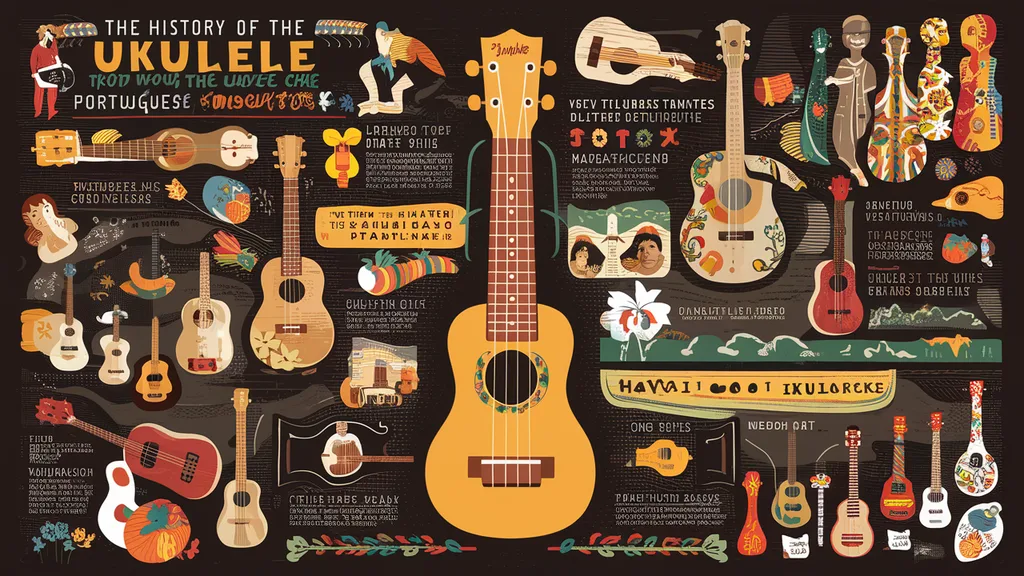

The ukulele is one of the most recognizable musical instruments in the world. Its bright, cheerful sound and compact size have made it a favorite among musicians of all ages and skill levels. Although many people immediately associate the ukulele with Hawaiian culture, the instrument’s history stretches far beyond the islands of Hawaii. The story of the ukulele is one of migration, cultural exchange, innovation, and artistic expression. It is a fascinating tale that connects Europe, the Pacific Islands, and eventually the entire world.
Today, the ukulele is used in countless musical genres, including folk, pop, jazz, rock, and classical music. It has become a symbol of creativity and accessibility because it is relatively easy to learn and enjoyable to play. However, the instrument did not achieve global recognition overnight. Its journey involved centuries of musical evolution and cultural adaptation. Understanding ukulele history provides insight into how a simple string instrument became one of the most beloved musical tools in modern culture.
The European Origins of the Ukulele
The history of the ukulele begins in Portugal, specifically on the Madeira Islands. During the nineteenth century, Portuguese musicians commonly played small string instruments known as the machete, cavaquinho, rajão, and braguinha. These instruments shared several characteristics with the modern ukulele, including their compact size, lightweight construction, and bright, melodic sound.
Life in Madeira during the late 1800s was challenging for many families due to economic difficulties and limited opportunities. As a result, thousands of Portuguese citizens emigrated to various parts of the world in search of a better future. Among their destinations was Hawaii, which was experiencing growth in its sugar plantation industry and required additional workers. These immigrants brought their traditions, skills, and musical instruments with them, unknowingly laying the foundation for what would become one of Hawaii’s most famous cultural symbols.
The arrival of these instruments in Hawaii marked the beginning of a significant cultural transformation. Local residents were captivated by the unique sounds produced by the Portuguese instruments, and craftsmen soon began modifying their designs to suit local tastes and musical styles.
The Birth of the Ukulele in Hawaii
The modern ukulele emerged in Hawaii during the 1880s through the efforts of skilled Portuguese craftsmen. Three names are particularly important in the instrument’s development: Manuel Nunes, Augusto Dias, and Jose do Espirito Santo. These craftsmen adapted traditional Portuguese instruments and created a smaller, more refined design that eventually became known as the ukulele.
There are several stories regarding the origin of the name “ukulele.” The most widely accepted explanation is that it means “jumping flea” in the Hawaiian language. This nickname is believed to describe the quick movement of a player’s fingers across the strings. While historians continue to debate the exact origins of the name, it remains one of the most interesting aspects of ukulele folklore.
The instrument quickly became popular among Hawaiians because its sound complemented traditional songs and dances. Its portability, simplicity, and pleasant tone made it accessible to a wide range of musicians. Before long, the ukulele became deeply integrated into Hawaiian culture and identity.
The Role of Hawaiian Royalty
One of the major reasons for the ukulele’s rapid acceptance was the support it received from Hawaiian royalty. King David Kalākaua, often referred to as the “Merrie Monarch,” was a passionate supporter of Hawaiian arts and culture. He encouraged musical performances, cultural celebrations, and artistic innovation throughout his reign.
The ukulele frequently appeared at royal gatherings, festivals, and official events. This royal endorsement elevated the instrument’s status and encouraged more people to learn and play it. As the instrument gained popularity, it became a symbol of Hawaiian pride and cultural preservation. The support of influential leaders helped ensure that the ukulele would remain an important part of Hawaiian musical traditions for generations to come.
The Ukulele’s Introduction to the United States
For several decades, the ukulele remained primarily associated with Hawaii. However, its popularity expanded dramatically after the Panama-Pacific International Exposition held in San Francisco in 1915. Hawaiian musicians performed for visitors from around the United States and introduced audiences to Hawaiian music and the ukulele’s distinctive sound.
The response was extraordinary. Americans became fascinated with Hawaiian culture, and demand for ukuleles increased rapidly. Music stores began selling the instruments nationwide, while publishers released instructional books and song collections designed for beginners. The instrument’s simplicity and affordability made it especially appealing during a period when home entertainment often centered around music.
By the 1920s, the ukulele had become a household instrument throughout the United States. Its popularity extended across social classes and age groups, helping establish it as a mainstream musical phenomenon.
The Golden Age of the Ukulele
The 1920s and 1930s are often referred to as the golden age of the ukulele. During this period, the instrument enjoyed immense popularity and was frequently featured in recordings, radio broadcasts, and live performances. Musicians appreciated its versatility, while beginners found it easier to learn than many other string instruments.
Manufacturers expanded production to meet growing demand. Companies introduced various sizes and styles of ukuleles, allowing musicians to choose instruments that suited their preferences and playing styles. Schools, community groups, and music clubs also promoted ukulele education, further contributing to its widespread appeal.
The instrument’s cheerful sound perfectly matched the optimistic spirit of the era. As a result, the ukulele became closely associated with fun, relaxation, and social gatherings.
Decline During the Mid-Twentieth Century
Despite its success, the ukulele experienced a decline in popularity after World War II. The emergence of electric guitars and the rise of rock and roll shifted public attention toward larger and more powerful instruments. Many musicians viewed the ukulele as old-fashioned, causing sales and public interest to decrease.
For several decades, the instrument remained primarily associated with Hawaiian music and occasional novelty performances. Although dedicated enthusiasts continued to play and preserve ukulele traditions, the instrument no longer enjoyed the widespread popularity it once had.
However, its story was far from over. A remarkable revival would soon reintroduce the ukulele to a new generation of musicians.
The Modern Ukulele Revival
The late twentieth and early twenty-first centuries witnessed an extraordinary resurgence in ukulele popularity. Several factors contributed to this revival, including influential performers, educational programs, and the growth of the internet.
Online tutorials, video-sharing platforms, and social media made learning the ukulele easier than ever before. People around the world discovered that they could quickly learn songs and develop musical skills without extensive training. The instrument’s affordability and portability further enhanced its appeal.
Contemporary artists demonstrated that the ukulele could be used in a wide variety of genres, including pop, indie, jazz, and classical music. This versatility helped change public perceptions and established the instrument as a serious musical tool rather than merely a novelty item.
The Cultural Significance of the Ukulele
Beyond its musical qualities, the ukulele holds deep cultural significance. It represents the blending of Portuguese and Hawaiian traditions and serves as a symbol of cultural adaptation and creativity. The instrument demonstrates how ideas and traditions can travel across oceans and evolve into something entirely new.
The ukulele continues to play an important role in Hawaiian culture, where it is featured in festivals, educational programs, and traditional performances. At the same time, it has become a global instrument enjoyed by people from diverse backgrounds. This unique combination of local heritage and international appeal contributes to its enduring popularity.
Why the Ukulele Remains Popular Today
Several factors explain the ukulele’s continued success. It is easy to learn, affordable to purchase, and convenient to transport. Beginners can quickly master basic chords and play recognizable songs, creating an enjoyable learning experience. Experienced musicians appreciate its expressive possibilities and distinctive sound.
The ukulele also fosters community and creativity. Festivals, workshops, online forums, and local clubs bring together enthusiasts from around the world. These communities help preserve traditions while encouraging innovation and experimentation.
As a result, the ukulele remains one of the fastest-growing musical instruments globally, attracting new players every year.
Conclusion
The ukulele history of the ukulele is a remarkable journey that spans continents, cultures, and generations. Originating from Portuguese string instruments and transformed in Hawaii during the late nineteenth century, the ukulele evolved into a symbol of Hawaiian culture and eventually a worldwide musical phenomenon. Its success was fueled by talented craftsmen, royal support, international exposure, and the enthusiasm of countless musicians.
Today, the ukulele continues to inspire creativity and bring people together through music. Its rich heritage and enduring charm ensure that it will remain an important part of global musical culture for many years to come. Whether played on a Hawaiian beach, in a classroom, or on a concert stage, the ukulele stands as a testament to the power of music to connect people across cultures and generations.
Frequently Asked Questions (FAQ)
What is the origin of the ukulele?
The ukulele originated in Hawaii during the 1880s and was inspired by small Portuguese string instruments brought by immigrants from Madeira.
What does the word ukulele mean?
The term “ukulele” is commonly translated as “jumping flea,” referring to the fast finger movements used while playing.
Who created the modern ukulele?
Portuguese craftsmen Manuel Nunes, Augusto Dias, and Jose do Espirito Santo are credited with developing the modern ukulele in Hawaii.
Why is the ukulele associated with Hawaii?
The instrument was adapted and popularized in Hawaii, becoming a key part of Hawaiian music and cultural traditions.
When did the ukulele become popular in America?
Its popularity surged after the 1915 Panama-Pacific International Exposition in San Francisco.
Why is the ukulele easy to learn?
The instrument has fewer strings, simple chord patterns, and a compact design that makes it beginner-friendly.
Is the ukulele still popular today?
Yes. The ukulele enjoys global popularity and is widely used in education, entertainment, and professional music.
What music styles can be played on a ukulele?
The ukulele is versatile and can be used for Hawaiian, folk, pop, jazz, classical, rock, and many other genres.