

Table of Contents
ToggleTungsten meaning is one of the strongest and most heat-resistant metals known to science. Recognized for its incredible durability, high melting point, and industrial value, tungsten plays an essential role in engineering, manufacturing, electronics, construction, and modern technology. The word “tungsten” is often associated with strength, resilience, and performance because this rare metal can withstand extreme conditions that would damage most other materials. From light bulb filaments and aerospace equipment to military technology and medical devices, tungsten has become a vital resource in modern industry.
The meaning of tungsten extends beyond its scientific definition because it represents innovation, industrial progress, and technological advancement. Due to its unique physical and chemical properties, tungsten is widely used in environments involving intense heat, pressure, and wear. Engineers and scientists value tungsten because it combines hardness with exceptional temperature resistance, making it suitable for highly demanding applications.
In this article, we will explore the meaning of tungsten, its origin, physical properties, history, industrial applications, advantages, and significance in modern science and engineering. Whether you are a student, researcher, technology enthusiast, or simply curious about metals and materials, understanding tungsten provides valuable insight into one of the most remarkable elements on Earth.
What Does Tungsten Mean?
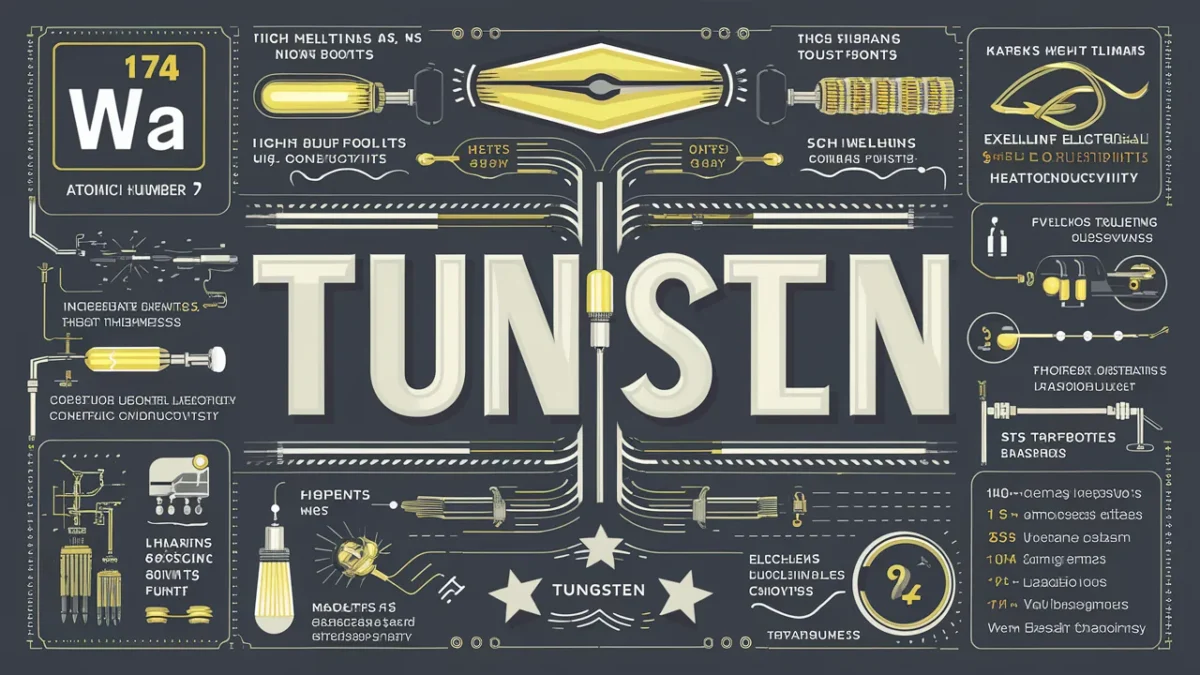
Tungsten is a chemical element with the symbol “W” and atomic number 74 on the periodic table. It is a dense, hard, silver-gray metal known for having the highest melting point of all pure metals. The name “tungsten” comes from a Swedish term meaning “heavy stone,” reflecting the metal’s high density and weight.
The symbol “W” originates from the alternative name “wolfram,” which was historically used in Europe. In many countries, tungsten is still referred to as wolfram, especially in scientific and industrial contexts.
Tungsten is considered a transition metal and is naturally found in minerals such as wolframite and scheelite. Because of its remarkable strength and heat resistance, tungsten has become one of the most important industrial metals in the modern world.
The History of Tungsten
The discovery of tungsten dates back to the eighteenth century when scientists began studying unusual heavy minerals found in Europe. In 1781, Swedish chemist Carl Wilhelm Scheele identified a substance later recognized as tungsten oxide. A few years later, Spanish chemists Juan José and Fausto Elhuyar successfully isolated tungsten metal from wolframite ore.
As industrialization expanded during the nineteenth century, tungsten gained attention because of its exceptional hardness and resistance to high temperatures. Manufacturers began using tungsten in steel production to create stronger cutting tools and industrial machinery.
The invention of electric light bulbs dramatically increased tungsten’s importance. Tungsten filaments became widely used because they could withstand extremely high temperatures while producing bright light efficiently. This innovation transformed lighting technology and established tungsten as a critical industrial material.
During the twentieth century, tungsten became essential in military manufacturing, aerospace engineering, electronics, and advanced scientific equipment.
Physical and Chemical Properties of Tungsten
Tungsten possesses several unique characteristics that make it highly valuable in industrial applications.
Extremely High Melting Point
Tungsten has the highest melting point of any pure metal, approximately 3,422 degrees Celsius. This property allows it to function in extremely hot environments where other metals would fail.
High Density
Tungsten is very dense and heavy, making it useful in applications requiring stability, balance, or impact resistance.
Exceptional Hardness
The metal is highly durable and resistant to wear, especially when combined with carbon to form tungsten carbide.
Corrosion Resistance
Tungsten resists corrosion and chemical damage under many environmental conditions, increasing its lifespan in industrial settings.
Electrical Conductivity
Tungsten conducts electricity effectively, which is why it has historically been used in electrical and electronic components.
Uses of Tungsten in Modern Industries
Tungsten is widely used across many industries because of its unique performance characteristics.
Aerospace Industry
Aircraft engines, rockets, and aerospace equipment often contain tungsten components because they must operate under extreme temperatures and stress.
Electronics and Electrical Equipment
Tungsten has long been used in light bulb filaments, electronic contacts, and heating elements because it withstands high heat without melting.
Manufacturing and Cutting Tools
Tungsten carbide is one of the hardest materials used in industrial manufacturing. Cutting tools, drill bits, and mining equipment often rely on tungsten for durability.
Medical Technology
Medical devices and radiation shielding equipment use tungsten because of its density and strength. It is also used in certain imaging technologies.
Military and Defense
Tungsten is used in armor-piercing ammunition, missiles, and defense systems because of its hardness and impact resistance.
Jewelry Industry
Tungsten rings have become increasingly popular due to their scratch resistance, strength, and modern appearance.
Tungsten Carbide and Its Importance
One of the most important tungsten compounds is tungsten carbide, created by combining tungsten with carbon. This material is extremely hard and durable, making it ideal for industrial applications involving cutting, drilling, and heavy wear.
Tungsten carbide tools remain sharp much longer than traditional steel tools, improving manufacturing efficiency and reducing replacement costs. Industries such as mining, construction, automotive manufacturing, and metalworking depend heavily on tungsten carbide equipment.
Because of its strength, tungsten carbide is also used in jewelry and luxury accessories. Tungsten rings are especially popular for their polished appearance and resistance to scratches.
Why Tungsten Is Important in Modern Technology
Modern technology requires materials capable of performing under demanding conditions, and tungsten fulfills this need exceptionally well. Its ability to resist heat, pressure, and wear makes it indispensable in industries focused on innovation and advanced engineering.
In electronics, tungsten supports energy efficiency and reliability. In aerospace engineering, it contributes to safety and durability. In manufacturing, it increases productivity and precision. Without tungsten, many modern technologies would struggle to achieve current performance standards.
As industries continue developing advanced technologies such as renewable energy systems, electric vehicles, and space exploration equipment, tungsten is expected to remain highly valuable.
Environmental and Economic Significance of Tungsten
Tungsten mining and processing contribute significantly to global industrial economies. Countries with large tungsten reserves play an important role in international manufacturing supply chains.
Recycling tungsten has become increasingly important because the metal is valuable and relatively rare. Recycled tungsten helps reduce environmental impact and conserve natural resources.
The growing demand for durable and efficient materials continues increasing tungsten’s economic importance worldwide. Industries prioritize tungsten because it enhances product performance and reduces long-term maintenance costs.
Challenges and Limitations of Tungsten
Although tungsten offers many advantages, it also has limitations. Pure tungsten can be brittle under certain conditions, making processing and shaping difficult. Manufacturing tungsten components often requires specialized equipment and techniques.
The metal is also relatively expensive compared to common industrial materials because extraction and refinement are complex processes. However, its long lifespan and durability often justify the higher cost.
Environmental concerns surrounding mining operations have also encouraged industries to improve recycling and sustainable sourcing practices.
Conclusion
Tungsten is one of the most remarkable and valuable metals in the modern world. Known for its extraordinary heat resistance, hardness, density, and durability, tungsten has become essential in industries ranging from aerospace and manufacturing to electronics and medical technology. Its meaning extends beyond chemistry because it represents strength, reliability, and technological advancement.
As science and engineering continue evolving, tungsten remains a critical material for innovation and industrial development. From the filaments inside traditional light bulbs to advanced aerospace systems and cutting-edge manufacturing tools, tungsten continues shaping the technologies that support modern life. Understanding tungsten meaning and its applications provides valuable insight into the role advanced materials play in global progress and technological achievement.
Frequently Asked Questions (FAQ)
What is tungsten?
Tungsten is a chemical element with the symbol W and atomic number 74, known for its extreme strength and heat resistance.
Why is tungsten important?
Tungsten is important because it is highly durable, heat-resistant, and widely used in industrial, technological, and engineering applications.
What does the word tungsten mean?
The word tungsten comes from Swedish and means “heavy stone.”
What is tungsten used for?
Tungsten is used in aerospace, electronics, cutting tools, jewelry, medical devices, and military equipment.
Why is tungsten carbide popular?
Tungsten carbide is extremely hard and durable, making it ideal for cutting tools, industrial machinery, and scratch-resistant jewelry.
Is tungsten stronger than steel?
Tungsten is harder and more heat-resistant than most forms of steel, especially when used as tungsten carbide.