
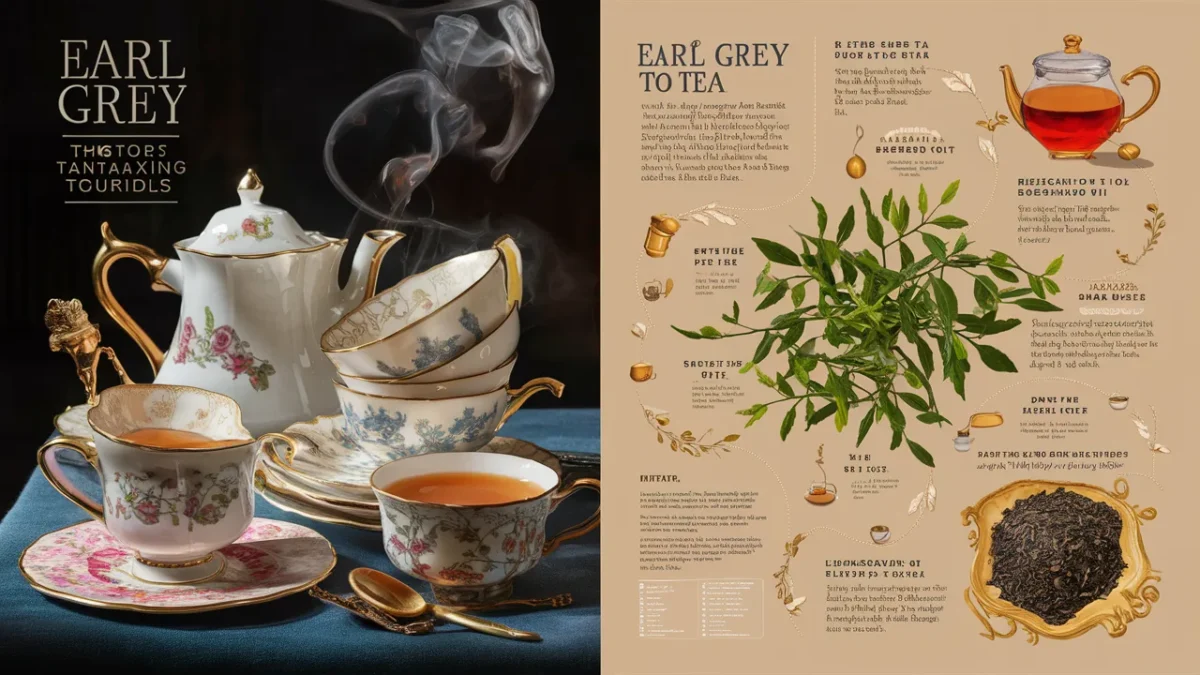

Earl Grey tea is one of the most famous and recognizable teas in the world, celebrated for its refreshing citrus aroma, smooth flavor, and elegant character. Known for its distinctive blend of black tea infused with bergamot oil, Earl Grey has become a favorite beverage among tea lovers who appreciate both tradition and sophistication. Whether enjoyed as a morning drink, afternoon refreshment, or relaxing evening tea, Earl Grey offers a unique balance of boldness and fragrance that separates it from ordinary black teas.
The popularity of Earl Grey tea continues to grow because modern consumers are increasingly interested in premium tea experiences, wellness benefits, and flavorful alternatives to coffee. From classic hot tea preparations to iced tea recipes, desserts, lattes, and gourmet blends, Earl Grey has evolved far beyond its historical roots. Tea enthusiasts around the world appreciate not only its taste but also its cultural significance, health benefits, and versatility.
This comprehensive guide explores everything you need to know about Earl Grey tea, including its history, ingredients, flavor profile, brewing methods, nutritional benefits, caffeine content, different varieties, and modern uses. If you are looking to create a high-ranking SEO article about Earl Grey tea, this detailed guide provides valuable information while naturally incorporating important search keywords for better visibility on Google.
Best SEO Titles for “Earl Grey Tea”
1. Earl Grey Tea: Benefits, Flavor, and How to Brew the Perfect Cup
Keywords Used:
- Earl Grey tea
- tea benefits
- brew Earl Grey tea
- perfect cup of tea
Why This Title Works:
This title targets readers searching for practical brewing advice and health-related information while keeping the focus on the main keyword.
2. What Is Earl Grey Tea? History, Ingredients, and Health Benefits Explained
Keywords Used:
- what is Earl Grey tea
- Earl Grey ingredients
- Earl Grey health benefits
Why This Title Works:
This title performs well because it answers beginner questions while covering multiple high-traffic keyword variations.
3. Earl Grey Tea Guide: Taste, Caffeine, Recipes, and Wellness Benefits
Keywords Used:
- Earl Grey tea guide
- Earl Grey caffeine
- tea recipes
- wellness benefits
Why This Title Works:
This SEO-friendly title attracts readers looking for complete information about Earl Grey tea.
4. Why Earl Grey Tea Is One of the World’s Most Popular Teas
Keywords Used:
- Earl Grey tea
- popular tea
- black tea blend
Why This Title Works:
This title appeals to readers interested in tea culture and global popularity trends.
5. Earl Grey Tea in 2026: Modern Trends, Health Uses, and Brewing Tips
Keywords Used:
- Earl Grey tea 2026
- health uses
- tea trends
- brewing tips
Why This Title Works:
Including the year helps improve freshness signals for search engines and attracts readers seeking updated content.
Important SEO Keywords for Earl Grey Tea
To improve Google rankings, use these keywords naturally throughout the article:
- Earl Grey tea
- bergamot tea
- black tea
- Earl Grey benefits
- how to brew Earl Grey tea
- Earl Grey caffeine
- tea health benefits
- loose leaf tea
- Earl Grey latte
- antioxidant tea
- herbal tea alternatives
- tea recipes
- organic Earl Grey tea
- tea for relaxation
- tea culture
What Is Earl Grey Tea?
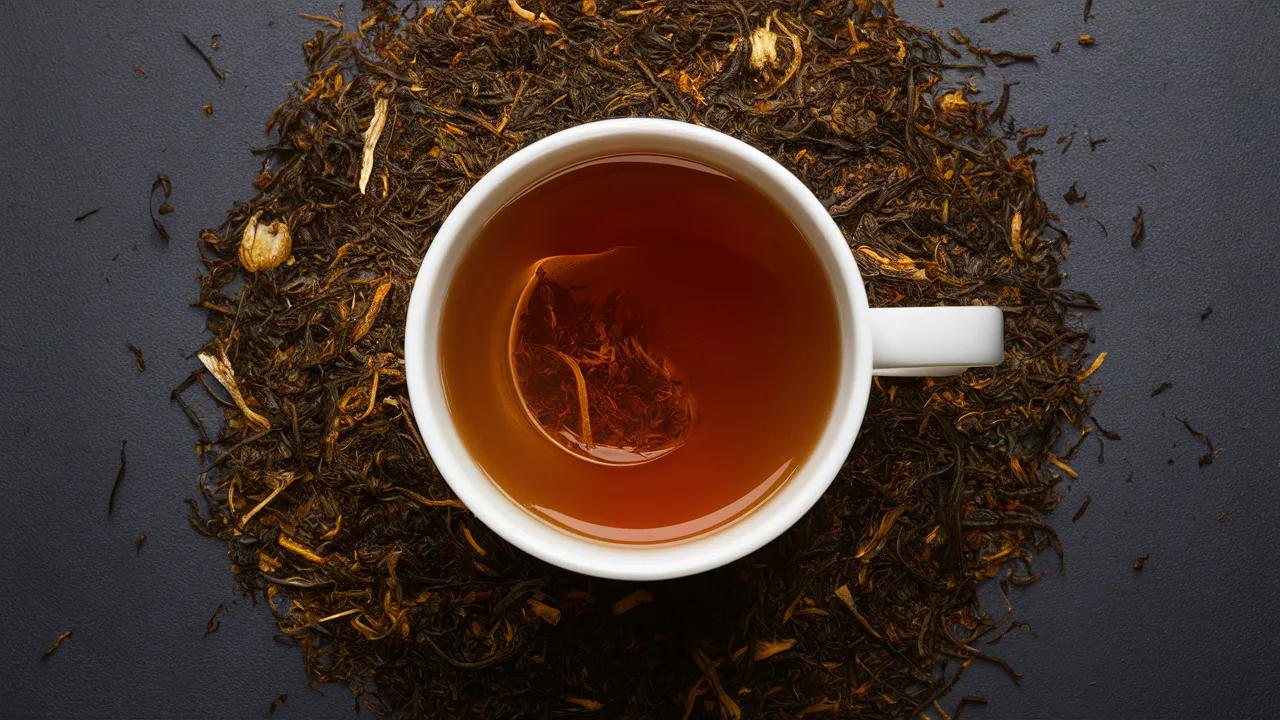
Earl Grey tea is a flavored black tea traditionally infused with bergamot oil, which comes from the rind of the bergamot orange. This citrus fruit gives the tea its signature floral and slightly fruity aroma. Unlike plain black tea, Earl Grey has a sophisticated flavor profile that combines bold tea richness with refreshing citrus notes.
The tea is named after Charles Grey, the 2nd Earl Grey and former British Prime Minister. According to popular stories, the blend was specially created for him during the 19th century, although several historical accounts exist regarding its true origin. Regardless of the exact history, Earl Grey tea quickly became associated with elegance, British tea culture, and refined taste.
Today, Earl Grey is available in many variations, including traditional black tea blends, green tea versions, caffeine-free herbal alternatives, and creamy Earl Grey lattes. The tea remains one of the most widely consumed specialty teas globally.
The Unique Flavor of Earl Grey Tea
One reason Earl Grey tea stands out is its unique and memorable flavor. The combination of black tea and bergamot creates a balance between strength and freshness. The black tea base provides a rich, slightly malty taste, while bergamot contributes bright citrus notes with floral undertones.
Many people describe Earl Grey tea as smooth, aromatic, refreshing, and calming. Unlike heavily sweetened beverages, it offers natural complexity without overwhelming bitterness. The flavor can vary depending on the tea leaves used, the amount of bergamot oil added, and whether the blend includes additional ingredients such as lavender or vanilla.
Premium loose-leaf Earl Grey teas often deliver a more refined and balanced flavor compared to lower-quality tea bags. Tea enthusiasts frequently prefer loose-leaf blends because they preserve more natural oils and aromas.
Health Benefits of Earl Grey Tea
Rich in Antioxidants
Earl Grey tea contains antioxidants that help protect the body from oxidative stress caused by free radicals. Black tea naturally includes polyphenols and flavonoids that may support overall health and wellness.
Antioxidants are important because they contribute to healthy aging, cellular protection, and immune system support. Regular tea consumption is often associated with improved lifestyle habits and balanced nutrition.
Supports Mental Focus
Earl Grey tea contains caffeine, which can improve alertness and concentration without the intense stimulation sometimes associated with coffee. Many people prefer tea because it provides a smoother and more balanced energy boost.
The tea also contains L-theanine, an amino acid known for promoting calm focus and relaxation. This combination of caffeine and L-theanine may help support productivity and mental clarity.
May Support Heart Health
Some studies suggest that black tea may contribute to cardiovascular wellness when consumed as part of a healthy lifestyle. The antioxidants found in tea are believed to support healthy circulation and cholesterol balance.
Bergamot itself has also been researched for potential wellness properties, making Earl Grey tea especially appealing to health-conscious consumers.
Can Aid Relaxation
Despite containing caffeine, many tea drinkers find Earl Grey calming because of its warm aroma and soothing flavor. Drinking tea is often associated with relaxation rituals, mindfulness, and stress reduction.
The citrus scent of bergamot is frequently used in aromatherapy because it may help improve mood and reduce tension.
Does Earl Grey Tea Contain Caffeine?
Yes, traditional Earl Grey tea contains caffeine because it is usually made with black tea leaves. However, caffeine levels vary depending on brewing time, tea quality, and serving size.
In general, Earl Grey contains less caffeine than coffee, making it a popular alternative for people seeking moderate energy without excessive stimulation. There are also decaffeinated and herbal Earl Grey versions available for those who want the flavor without caffeine.
How to Brew the Perfect Cup of Earl Grey Tea
Brewing Earl Grey tea correctly is important because over-steeping can create bitterness while under-steeping may weaken the flavor. Start by heating fresh water until it reaches just below boiling temperature.
Add one teaspoon of loose-leaf Earl Grey tea or one tea bag per cup. Let the tea steep for approximately three to five minutes depending on your preferred strength. Longer steeping times create a stronger and bolder flavor.
Many people enjoy Earl Grey plain, while others add milk, honey, lemon, or sugar. A traditional London Fog latte combines Earl Grey tea with steamed milk and vanilla syrup for a creamy and comforting beverage.
Popular Variations of Earl Grey Tea
Lavender Earl Grey
Lavender Earl Grey includes dried lavender flowers for a more floral and calming taste. This blend is especially popular among tea enthusiasts seeking a relaxing beverage.
Green Earl Grey
Green Earl Grey replaces black tea with green tea leaves, resulting in a lighter flavor and lower caffeine content. This variation appeals to health-conscious tea drinkers.
Cream Earl Grey
Cream Earl Grey adds vanilla flavoring to create a smoother and sweeter profile. It is commonly used in tea lattes and desserts.
Decaffeinated Earl Grey
Decaffeinated versions provide the same citrus aroma and flavor without the stimulating effects of caffeine.
Earl Grey Tea in Modern Food and Beverage Culture
Earl Grey tea has become much more than a traditional hot beverage. Modern cafes and bakeries now use it in desserts, cocktails, pastries, cakes, macarons, and ice cream. Earl Grey-flavored desserts are especially popular because the bergamot aroma adds sophistication and depth.
Social media trends and café culture have also increased the popularity of Earl Grey lattes. These creamy tea drinks appeal to younger consumers looking for aesthetically pleasing and flavorful alternatives to coffee.
Tea brands continue introducing organic, premium, and artisanal Earl Grey blends to meet growing consumer demand for wellness-focused beverages.
Why Earl Grey Tea Remains So Popular
The continued popularity of Earl Grey tea comes from its versatility, elegant flavor, and strong cultural identity. It appeals to both traditional tea drinkers and modern consumers interested in wellness trends.
Unlike many flavored beverages, Earl Grey offers a natural and refined taste that works equally well hot or iced. Its balance of caffeine, aroma, and comfort makes it suitable for mornings, afternoons, and relaxing evenings.
As global tea culture continues expanding, Earl Grey remains one of the most iconic and beloved tea varieties in the world.
Conclusion
Earl Grey tea is far more than just a flavored black tea. It represents tradition, sophistication, wellness, and versatility in one elegant beverage. With its distinctive bergamot aroma, balanced flavor, and growing popularity in modern food culture, Earl Grey continues attracting tea lovers across generations.
From its historical origins to its modern variations and health benefits, Earl Grey tea offers something for everyone. Whether enjoyed plain, with milk, as a latte, or incorporated into desserts, this iconic tea remains a timeless favorite. Its antioxidants, moderate caffeine content, and calming aroma make it both enjoyable and beneficial for many lifestyles.
As interest in premium teas and wellness beverages continues growing worldwide, Earl Grey tea is likely to remain a major part of global tea culture for many years to come.
Frequently Asked Questions (FAQ)
What is Earl Grey tea made of?
Earl Grey tea is traditionally made from black tea flavored with bergamot oil extracted from bergamot oranges.
Does Earl Grey tea contain caffeine?
Yes, most Earl Grey teas contain caffeine because they use black tea as the base ingredient.
What does Earl Grey tea taste like?
It has a smooth, bold black tea flavor combined with bright citrus and floral notes from bergamot.
Is Earl Grey tea healthy?
Earl Grey tea contains antioxidants and may support focus, relaxation, and overall wellness when consumed in moderation.
Can I drink Earl Grey tea every day?
Yes, many people drink Earl Grey tea daily as part of a balanced lifestyle.
What is a London Fog?
A London Fog is a tea latte made with Earl Grey tea, steamed milk, and vanilla flavoring.
Is Earl Grey tea better than coffee?
That depends on personal preference. Earl Grey generally contains less caffeine and offers a smoother energy boost.
Can Earl Grey tea help with relaxation?
Many people find Earl Grey calming because of its warm flavor, tea rituals, and bergamot aroma.