
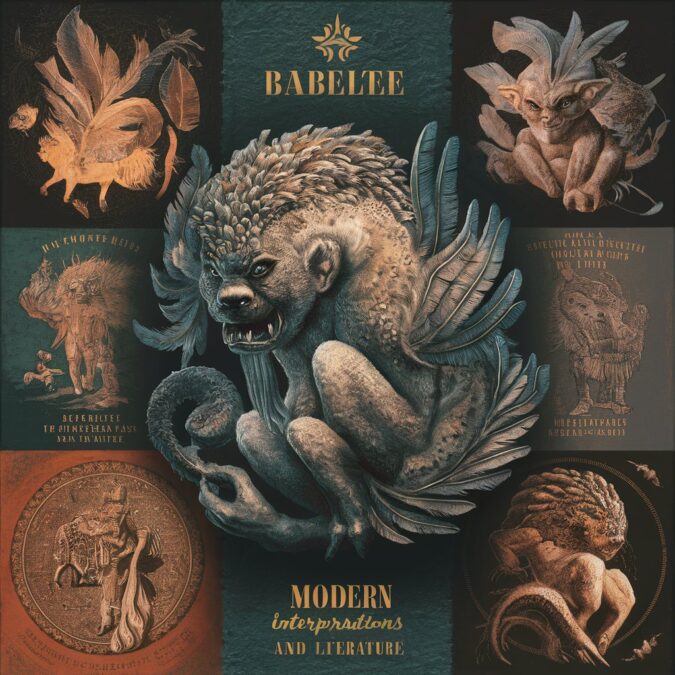

The term Babeltee has recently emerged as a captivating and mysterious word that has sparked curiosity across digital platforms, creative industries, and linguistic discussions. While its exact origin remains uncertain, Babeltee has come to represent creativity, communication, and cultural fusion in the modern world. It evokes the idea of connection through diversity—bridging languages, ideas, and artistic expressions. In an era defined by globalization and digital interaction, Babeltee stands as a symbol of unity through creativity and the power of expression. This article explores the meaning, origins, and cultural significance of Babeltee, while also examining its growing influence in art, technology, and modern communication.
What Is Babeltee?
Babeltee is a versatile and abstract term that can be interpreted in multiple ways depending on context. Linguistically, it appears to draw inspiration from the biblical “Tower of Babel,” a story that symbolizes the diversity of languages and human ambition. The suffix “tee” adds a modern, playful tone, giving the word a contemporary and creative edge. Together, Babeltee can be understood as a concept that celebrates communication, diversity, and artistic expression. It represents the blending of cultures, languages, and ideas into a unified creative identity. In modern usage, Babeltee has become a symbol of innovation, inclusivity, and the beauty of human connection through art and language.
The Linguistic and Cultural Origins of Babeltee
The origins of Babeltee are not tied to a single language or culture, which adds to its universal appeal. The first part of the word, “Babel,” references the ancient story of the Tower of Babel, where humanity’s attempt to build a tower to the heavens led to the creation of multiple languages. This story has long been associated with communication, diversity, and the complexity of human interaction. The addition of “tee” modernizes the term, possibly representing technology, trend, or togetherness. Culturally, Babeltee reflects the interconnectedness of the modern world, where people from different backgrounds communicate and collaborate through digital platforms, art, and shared creativity.
The Symbolism and Meaning Behind Babeltee
Symbolically, Babeltee represents unity through diversity. It embodies the idea that differences in language, culture, and perspective can become sources of creativity rather than barriers. In a broader sense, Babeltee can be seen as a metaphor for the modern human experience—where communication is both complex and beautiful, and where technology bridges gaps that once divided people. It also symbolizes the fusion of tradition and innovation, as ancient linguistic roots meet modern digital expression. Whether used in art, design, or branding, Babeltee conveys a message of inclusivity, creativity, and global connection.
Babeltee in Modern Digital Culture
In the digital age, Babeltee has found new meaning as a symbol of global communication and creative collaboration. The internet has become a modern “Tower of Babel,” where people from all over the world share ideas, art, and culture in real time. Babeltee captures this phenomenon perfectly—it represents the blending of voices, languages, and perspectives into a single digital conversation. Many creators and brands use Babeltee as a concept to express multiculturalism, innovation, and artistic unity. It resonates with audiences who value authenticity, diversity, and the power of shared expression in the online world.
Babeltee and the World of Art and Design
The connection between Babeltee and art is particularly strong. Artists and designers often use the concept of Babeltee to explore themes of communication, identity, and cultural fusion. In visual art, it can represent the layering of different styles, colors, and symbols from various cultures to create something entirely new. In fashion and design, Babeltee can symbolize the blending of global influences—traditional patterns meeting modern aesthetics. The term also resonates in music and literature, where it reflects the harmony that can emerge from diversity. Babeltee thus becomes a creative philosophy that celebrates the beauty of difference and the power of collaboration.
The Psychological and Emotional Dimensions of Babeltee
Beyond its artistic and cultural meanings, Babeltee also carries psychological and emotional significance. It represents the human desire to connect, understand, and be understood. In a world where communication often transcends language—through visuals, emotions, and shared experiences—Babeltee symbolizes empathy and openness. It encourages individuals to embrace diversity and see it as a source of strength rather than division. Emotionally, Babeltee reflects the joy of discovery and the fulfillment that comes from connecting with others across boundaries. It reminds us that creativity and understanding flourish when we listen, learn, and collaborate.
The Role of Babeltee in Branding and Innovation
In the world of branding and innovation, Babeltee stands out as a concept that embodies modernity, inclusivity, and creativity. Businesses and creators often seek names that are unique, memorable, and meaningful—qualities that Babeltee naturally possesses. It can represent a brand that values global connection, artistic vision, and cultural awareness. The versatility of the term allows it to fit into various industries, from technology and fashion to education and entertainment. As a brand identity, Babeltee communicates authenticity, creativity, and a forward-thinking mindset, making it a powerful choice for modern entrepreneurs and innovators.
The Future of Babeltee in Global Culture
As language and culture continue to evolve, Babeltee is likely to gain even greater recognition and meaning. Its adaptability makes it suitable for use in art, technology, education, and digital communication. In a world that values creativity and emotional intelligence, Babeltee serves as a symbol of innovation and human connection. The future of Babeltee lies in its ability to inspire new interpretations and foster a sense of unity through creativity. It represents the ongoing evolution of language as a living, expressive force that reflects the diversity and imagination of humanity.
Conclusion
Babeltee is more than just a word—it is a concept that captures the essence of creativity, communication, and cultural unity. From its linguistic roots in the story of Babel to its modern interpretations in art and digital culture, it reflects the evolving nature of human expression. In a world that often struggles with division, Babeltee reminds us of the beauty that emerges when different voices come together in harmony. It symbolizes the power of language, art, and technology to connect people across boundaries. As society continues to evolve, Babeltee will remain a timeless representation of the human spirit’s capacity to create, communicate, and inspire.
FAQs
1. What does Babeltee mean?
Babeltee is a modern term that symbolizes creativity, communication, and cultural unity. It represents the blending of languages, ideas, and artistic expressions into a shared human experience.
2. Where does the word Babeltee come from?
The term is inspired by the biblical story of the Tower of Babel, which symbolizes linguistic diversity, combined with the modern suffix “tee,” representing technology, trend, or togetherness.
3. How is Babeltee used in modern culture?
Babeltee is often used in art, design, and digital branding to express multiculturalism, innovation, and the beauty of global communication.
4. What does Babeltee represent in art and design?
In artistic contexts, Babeltee stands for the fusion of different cultural influences, creative collaboration, and the harmony that emerges from diversity.
5. Why is Babeltee becoming popular online?
Babeltee is gaining popularity because it resonates with modern audiences who value inclusivity, creativity, and global connection. It reflects the spirit of collaboration and cultural exchange in the digital age.