
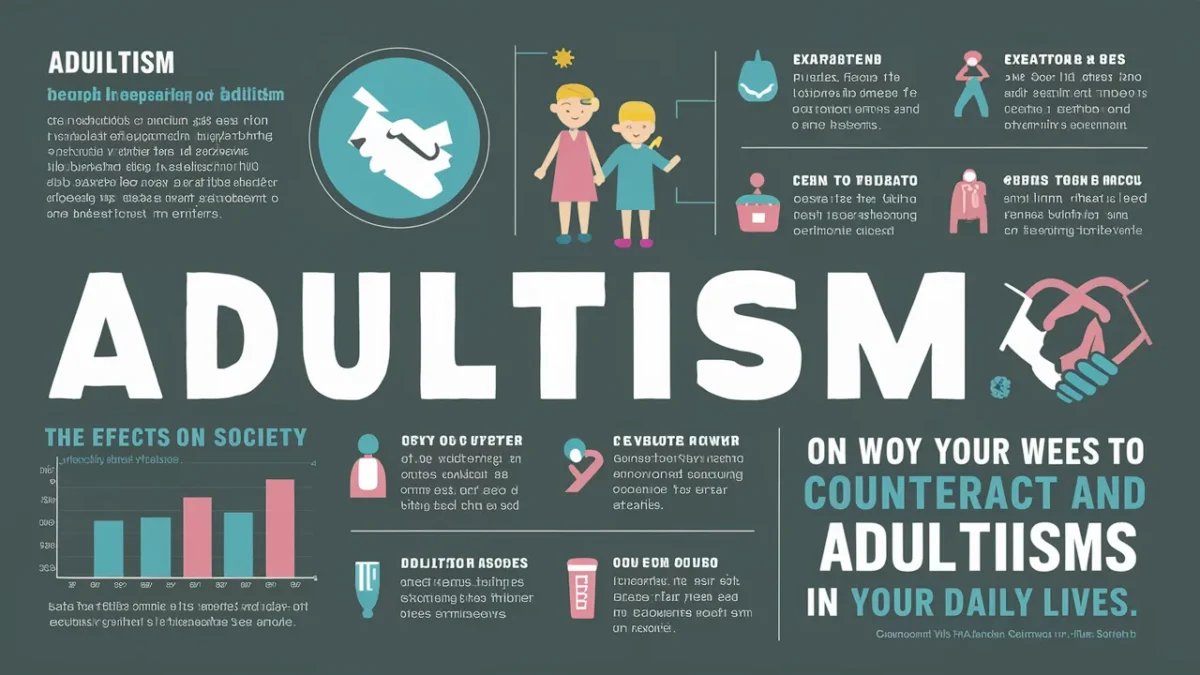

Adultism is a form of bias or discrimination that places adults in a position of superiority over children and young people. While it is often overlooked in everyday discussions about equality, adultism plays a significant role in shaping how young individuals are treated in families, schools, and society as a whole. From limiting young people’s voices to making decisions without considering their perspectives, adultism can affect confidence, development, and opportunities. Understanding adultism is essential for creating a more inclusive and respectful environment where individuals of all ages are valued and heard.
What is Adultism?
Adultism refers to the belief that adults are inherently more important, capable, or knowledgeable than younger individuals. This mindset can lead to unequal treatment, where the opinions and rights of children and teenagers are dismissed or ignored. Adultism is not always intentional; in many cases, it is deeply embedded in cultural norms and social structures. However, its effects can be significant, influencing how young people see themselves and how they interact with the world around them.
Examples of Adultism in Everyday Life
Adultism can appear in many forms, both subtle and obvious. In schools, it may be seen when students are not given a voice in decisions that affect their education. In families, it can occur when children’s opinions are dismissed simply because of their age. In communities, young people may be excluded from discussions or opportunities because they are considered too inexperienced. These everyday examples highlight how Adultism can limit participation and reinforce the idea that age determines value or capability.
Effects of Adultism on Young People
The impact of Adultism can be far-reaching. It can reduce self-esteem, discourage creativity, and prevent young people from developing critical thinking and decision-making skills. When individuals feel that their voices are not valued, they may become less confident in expressing their ideas or participating in important discussions. Over time, this can lead to a lack of engagement in social, educational, and civic activities. Addressing adultism is therefore essential for supporting the growth and empowerment of young people.

Adultism vs Ageism
While adultism focuses on discrimination against young people, Ageism is a broader term that includes bias against individuals of any age group, including older adults. The key difference lies in the direction of the bias. Adultism specifically prioritizes adults over youth, whereas ageism can affect people at any stage of life. Understanding this distinction helps clarify the unique challenges faced by young individuals in a society where adult perspectives often dominate.
How to Challenge Adultism
Challenging Adultism requires awareness, empathy, and action. One important step is to actively listen to young people and value their opinions in decision-making processes. Encouraging participation in schools, families, and communities helps build confidence and promotes equality. Education also plays a key role, as teaching both adults and youth about the impact of adultism can lead to more respectful interactions. By creating spaces where young voices are heard and respected, society can move toward greater inclusivity.
The Importance of Youth Empowerment
Empowering young people is essential for reducing Adultism and building a more balanced society. When youth are given opportunities to express themselves and contribute to decisions, they develop important life skills and a stronger sense of responsibility. This not only benefits individuals but also strengthens communities by encouraging diverse perspectives and innovative ideas. Recognizing the value of young voices is a key step in overcoming adultism and promoting fairness.
Conclusion
Adultism is an often overlooked but important issue that affects how young people are treated and valued in society. From limiting opportunities to dismissing opinions, adultism can have lasting effects on confidence, development, and participation. By understanding its impact and taking steps to challenge it, individuals and communities can create a more inclusive environment where people of all ages are respected. Addressing adultism is not just about fairness; it is about recognizing the potential and contributions of young people and ensuring that their voices are heard.
Frequently Asked Questions (FAQ)
1. What is adultism?
Adultism is discrimination or bias that favors adults over young people.
2. What are examples of adultism?
Ignoring children’s opinions, excluding youth from decisions, or assuming they are incapable due to age.
3. How is adultism different from ageism?
Ageism affects all age groups, while adultism specifically targets young people.
4. Why is adultism harmful?
It can reduce confidence, limit opportunities, and discourage participation among young people.
5. How can adultism be reduced?
By listening to youth, involving them in decisions, and promoting respect across all age groups.