
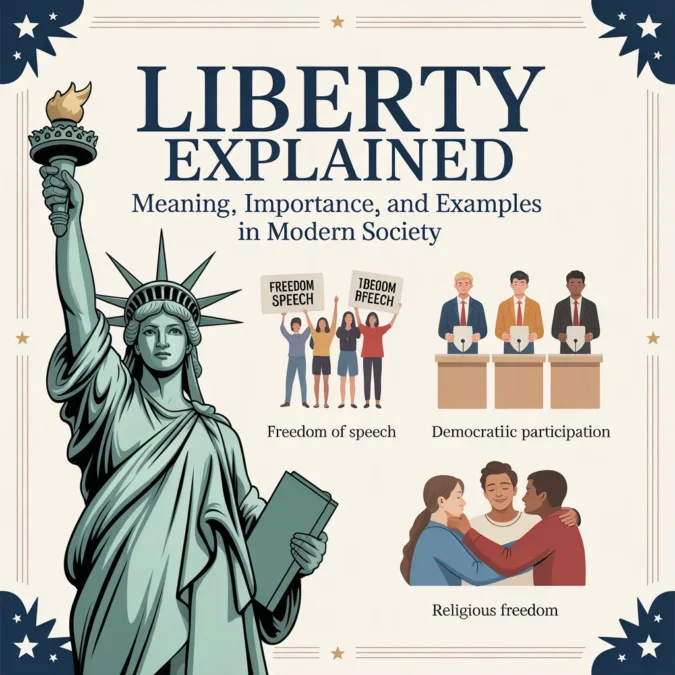

Liberty is one of the most fundamental and cherished concepts in human civilization, representing the ability of individuals to live freely, make choices, and express themselves without unnecessary restrictions. Throughout history, liberty has been a driving force behind social movements, revolutions, and the establishment of democratic societies. From ancient philosophical debates to modern legal systems, the idea of liberty has evolved while remaining central to human rights and dignity. Today, liberty is not only a philosophical concept but also a practical necessity that shapes laws, governments, and everyday life. Understanding liberty in depth allows individuals to appreciate its value and recognize its role in creating fair and just societies.
What is Liberty?
Liberty can be defined as the state of being free within society from oppressive restrictions imposed by authority on one’s way of life, behavior, or political views. It is closely related to the concept of freedom, although liberty often emphasizes the protection of individual rights within a structured system of laws. Philosophers such as John Locke have argued that liberty is a natural right that every human being possesses, forming the foundation of democratic governance. Liberty ensures that individuals can pursue their goals, express their opinions, and participate in societal activities without fear of unjust interference. However, it is important to note that liberty is not absolute; it must be balanced with the rights of others and the needs of society as a whole.
Types of Liberty
Liberty can be categorized into several types, each playing a unique role in shaping society and individual experiences. Civil liberty refers to the basic rights and freedoms that protect individuals from government overreach, such as freedom of speech, religion, and assembly. Political liberty involves the ability of citizens to participate in the political process, including voting and holding public office. Economic liberty, on the other hand, focuses on the freedom to engage in economic activities, such as choosing a profession, starting a business, or trading goods and services. These different forms of liberty are interconnected, and together they create a framework that supports a balanced and functional society.
Liberty in History
The concept of liberty has played a crucial role in shaping historical events and societal transformations. One of the most significant examples is the French Revolution, which was driven by the desire for liberty, equality, and fraternity. Similarly, the American Revolution emphasized the importance of individual rights and freedom from oppressive rule. These movements not only changed the course of history but also influenced modern democratic principles and legal systems. Over time, the understanding of liberty has expanded to include social and economic rights, reflecting the evolving needs and values of society.
Importance of Liberty in Modern Society
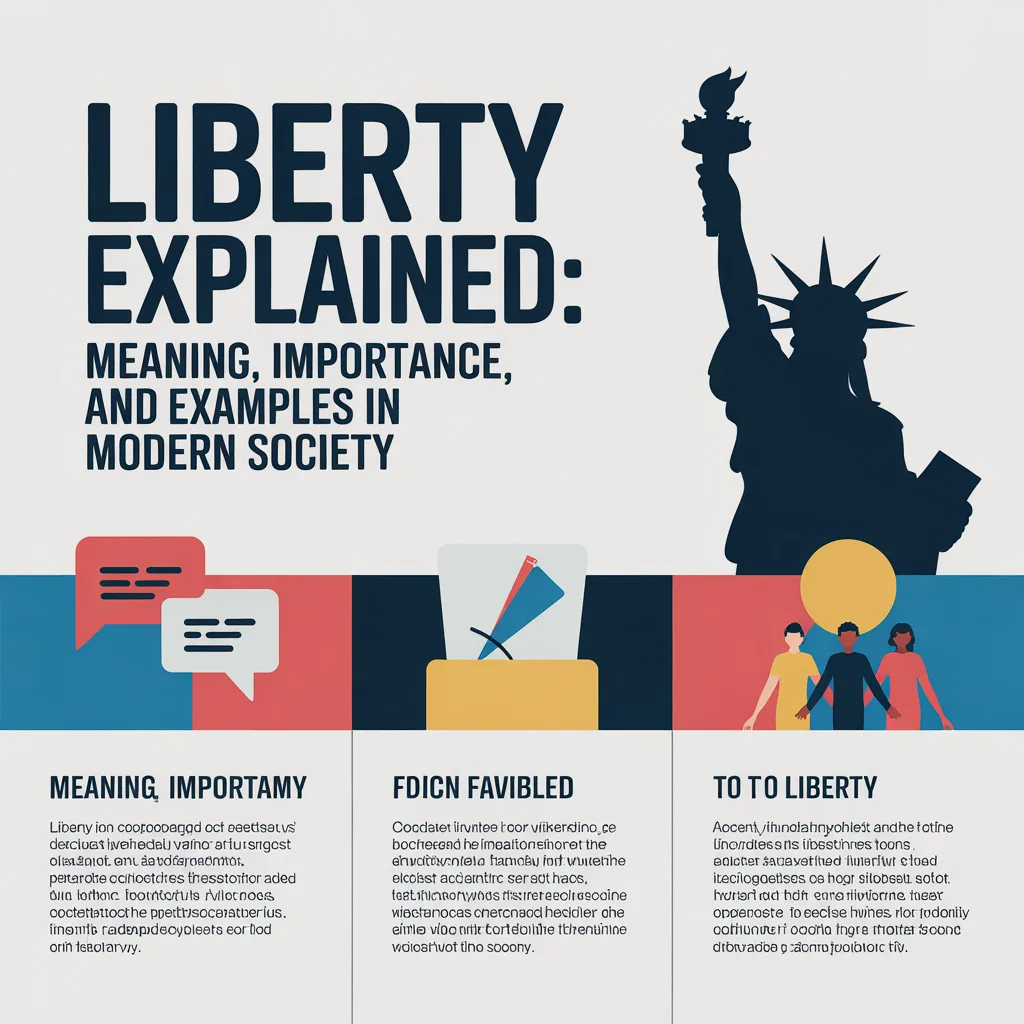
In today’s world, liberty remains a cornerstone of democracy and human rights. It ensures that individuals have the freedom to express their ideas, practice their beliefs, and pursue their aspirations without undue interference. Liberty also promotes innovation and progress, as people are more likely to contribute to society when they feel free and empowered. Moreover, it fosters equality by providing everyone with the same opportunities to succeed, regardless of their background. Without liberty, societies risk becoming oppressive and stagnant, limiting the potential of their citizens. Therefore, protecting and promoting liberty is essential for maintaining a just and dynamic world.
Challenges to Liberty
Despite its importance, liberty faces several challenges in the modern era. Issues such as political instability, censorship, and economic inequality can threaten individual freedoms and undermine democratic values. Additionally, the rise of technology has introduced new concerns, such as data privacy and surveillance, which can impact personal liberty. Balancing security and freedom is another ongoing challenge, as governments strive to protect citizens while respecting their rights. Addressing these challenges requires a commitment to fairness, transparency, and the rule of law, ensuring that liberty is preserved for future generations.
Conclusion
Liberty is more than just a concept; it is a fundamental principle that defines the relationship between individuals and society. From its philosophical origins to its role in modern governance, liberty has been a driving force behind progress and human development. By understanding its meaning, types, and importance, individuals can better appreciate the freedoms they enjoy and the responsibilities that come with them. As the world continues to evolve, the need to protect and promote liberty remains as important as ever, ensuring that future generations can live in a society that values freedom, justice, and equality.
Frequently Asked Questions (FAQ)
1. What is the meaning of liberty?
Liberty refers to the freedom of individuals to live their lives without unnecessary restrictions while respecting the rights of others.
2. What are the main types of liberty?
The main types include civil liberty, political liberty, and economic liberty.
3. Why is liberty important?
Liberty is essential for protecting human rights, promoting equality, and supporting democratic societies.
4. How is liberty different from freedom?
While both are related, liberty often refers to freedom within a legal and social framework that ensures fairness.
5. What are examples of liberty in daily life?
Examples include freedom of speech, the right to vote, and the ability to choose one’s career or lifestyle.